


Fruit is packed with nutrients, minerals, antioxidants, fibre, and raw enzymes that our bodies really thrive on. At the same time, fruit can be quite high in sugar, and for those with gut issues, this can sometimes be tricky to digest. Some people even have trouble metabolising fructose, a condition called ‘fructose malabsorption.’ When sugars aren’t broken down properly, they can ferment in the gut, creating a food source for unfriendly bacteria, parasites, and yeasts. Over time, this can allow bad bacteria to overgrow, which may show up as sugar cravings, mood shifts like anxiety or low mood, digestive discomfort such as bloating, cramps, diarrhoea or constipation, fatigue, skin issues, and more.
Benefits of Fermented Fruit
If you start fermenting fruits with either coconut kefir or coconut yoghurt, the probiotics contained in them will remove these sugars making them FODMAP friendly. At the same time, whenever you ferment something, you basically turn it into a superfood because fermentation;
· Pre-digests it
· Helps to create beneficial enzymes
· Creates B Vitamins
· Rich in probiotics
· Increases immunity
· Improves bowel health
· Makes other food easier to digest
· Bio-availability of minerals increases + preserves the nutrients and minerals
· Creates Vitamin K2
· Anti-carcinogenic
· Aids digestion
· Help to regulate appetite
· Reduce sugar cravings
· Increases antibodies
· Increases Vitamins A and C
· Helps to remove toxins from the body
· The process of fermenting removes sugar from fruit/veg
· Helps to restore a healthy flora in the intestine
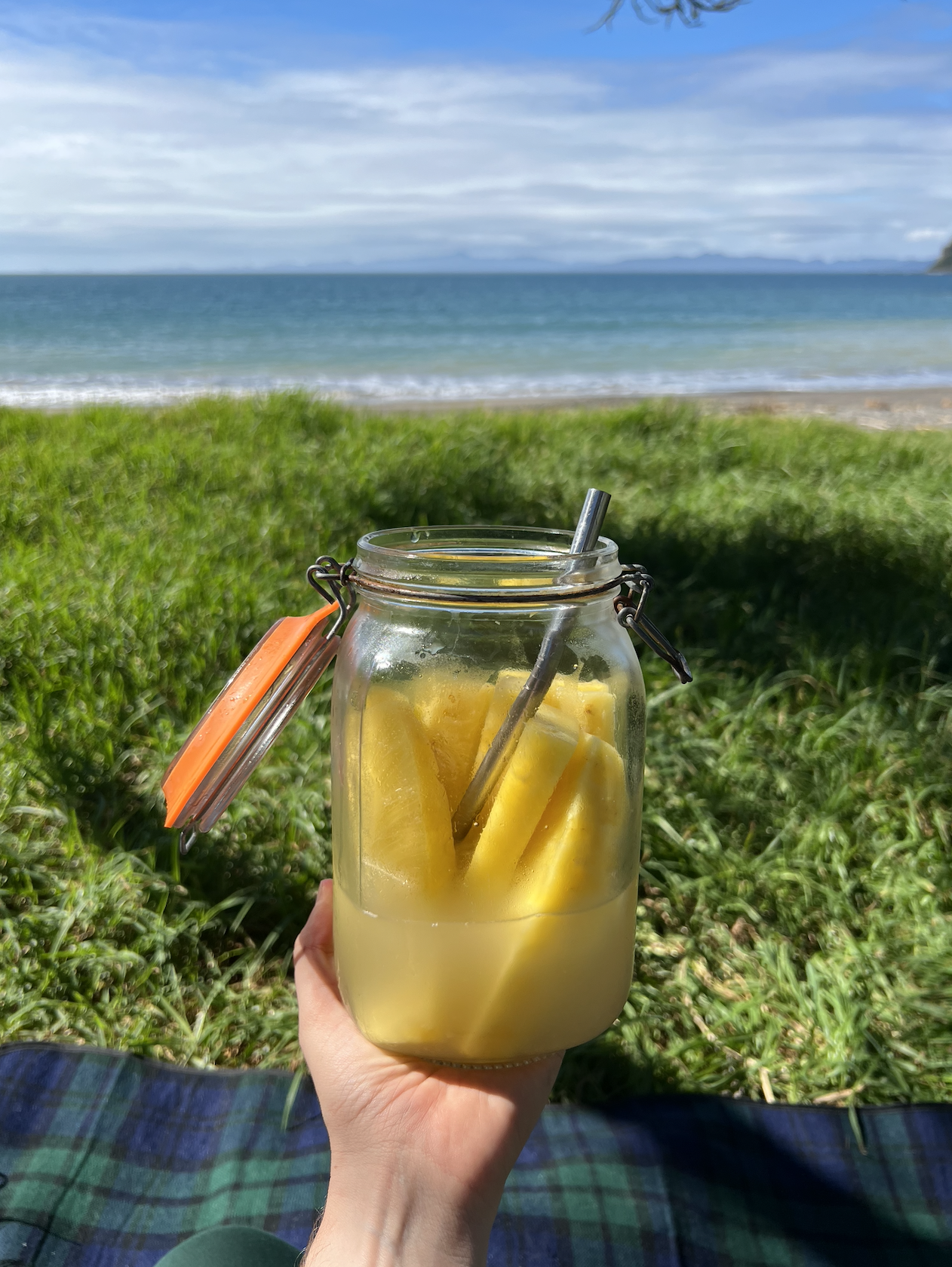
You don’t have to ferment fruit, you can absolutely enjoy it fresh if that’s what you prefer. That said, one of my favourite summer snacks is fermented pineapple. It’s so easy to make, I love the sweet-and-tangy flavour, and it’s such a simple, delicious way to add some gut-friendly probiotics to your day.
There are two easy (and slightly different) ways you can ferment fruit:
How Do You Ferment Fruit?
Chop the fruit up and cover it in Kultured Wellness Probiotic Coconut Water Kefir
(this is how I make the fermented pineapple picture below)Leave it on the bench top to ferment for a few hours, then transfer it to the fridge once it’s ready to slow the fermentation.
Enjoy eating the fruit. And don’t throw the liquid out, it’s packed with probiotics and it takes on the flavour of the fruit. You can drink it as is, or mix it with soda water for an extra fizzy option, or add it to smoothies, or freeze it into ice blocks.

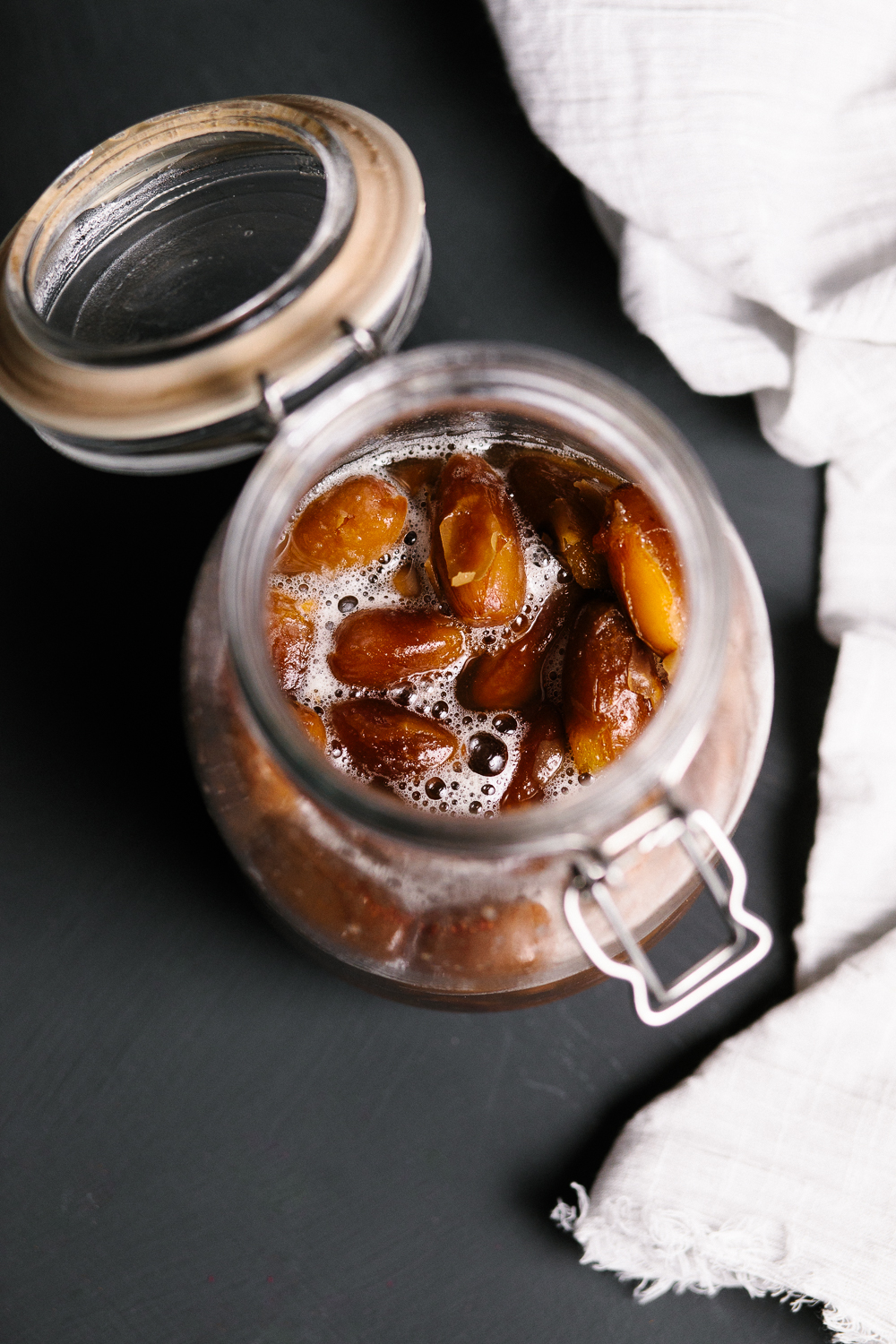
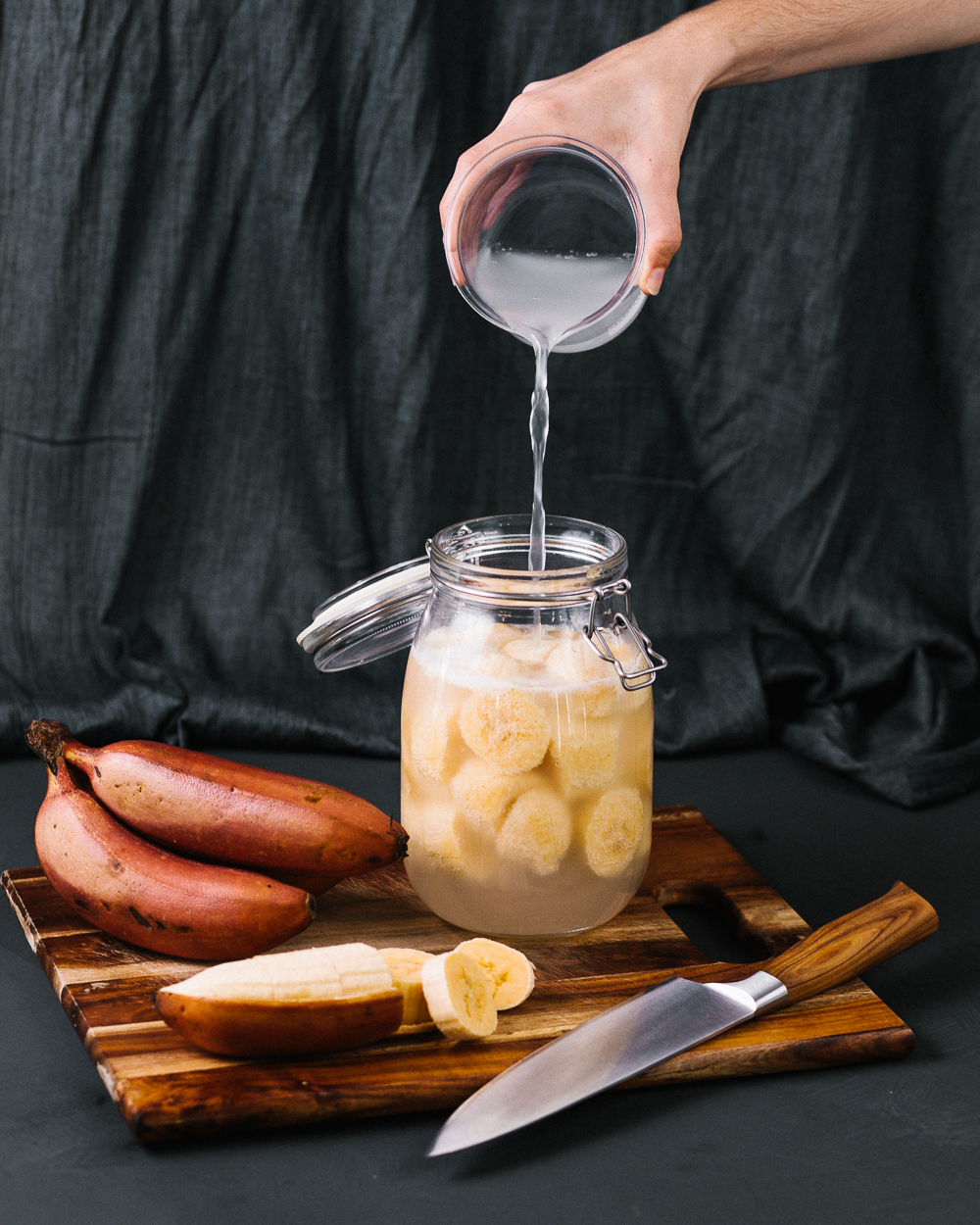
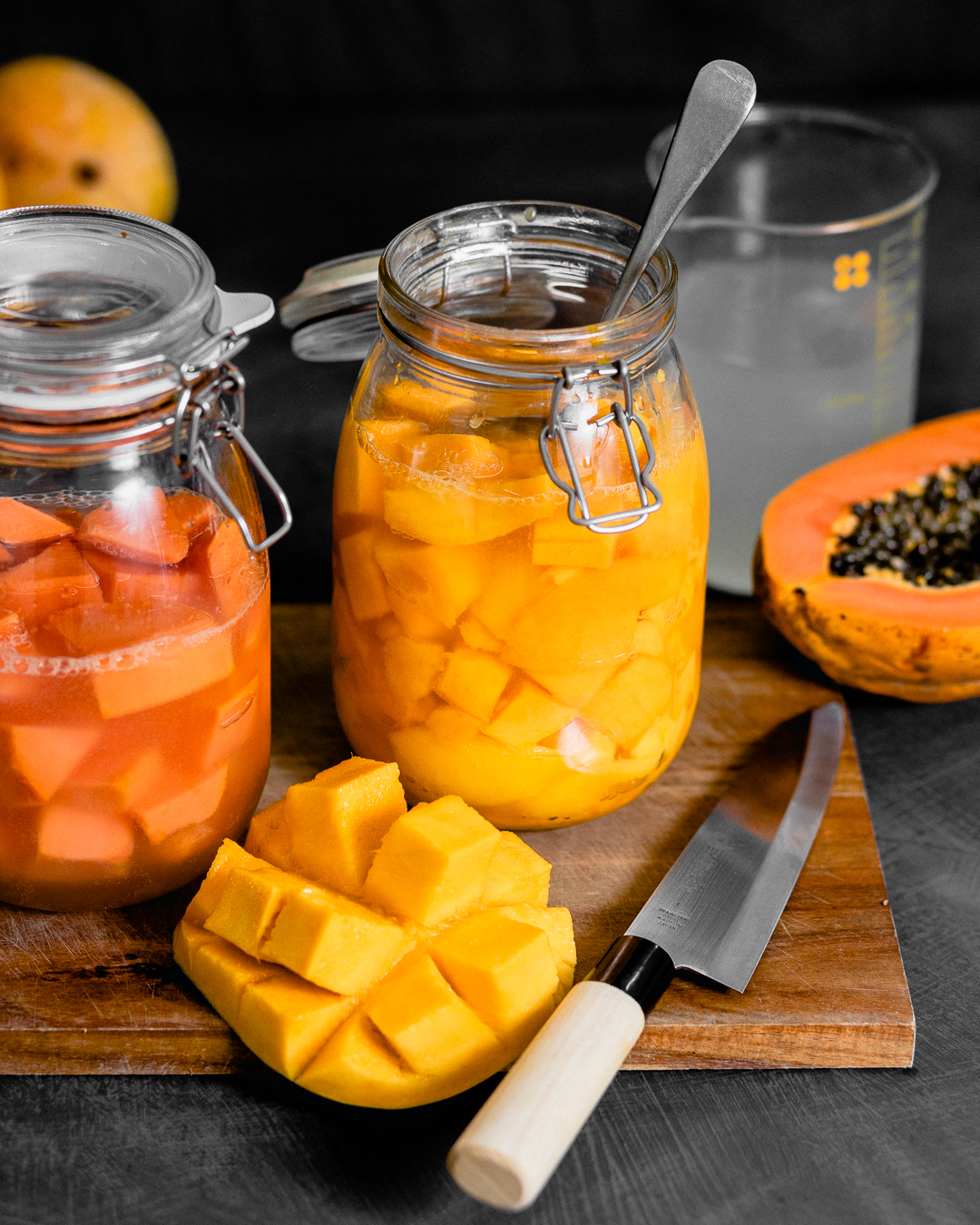
For more inspiration, check out our hardcopy cookbook GUTALICIOUS for plenty of fermented fruit and veggie recipes. You can use the discount code “jordanpie” for 10% off at Kultured Wellness too. I’ve also shared a few more fermented recipes on my website here;
FAQS
HOW LONG DO YOU FERMENT THE FRUIT FOR?
It really depends on the flavour you’re after. If you want most of the sugar fermented out, it can take up to 24 hours. The best guide is your taste buds though, once the sweetness has gone, it’s ready, and you can pop it in the fridge to slow and stop the fermentation process. If you prefer to keep some natural sweetness, you can ferment it for a much shorter time. With fermented pineapple, for example, I love that perfect balance of tangy and sweet, so I usually ferment it for around 4–6 hours before refrigerating. As always, taste as you go and trust your palate, you’ll know when it’s just right.
WHAT DO I DO WITH THE LEFTOVER LIQUID FROM THE FERMENTED FRUIT?
Don’t throw it out, it’s packed with probiotics and it takes on the flavour of the fruit. You can drink it as is, or mix it with soda water for an extra fizzy option. Re-use it to ferment another batch of fruit, add it to smoothies, or freeze it into ice blocks for later.
HOW LONG WILL THE FERMENTED FRUIT LAST FOR?
The fruit can continue to slowly ferment in the fridge, so it’s best to enjoy it within a day or two. After that, softer fruits like banana, mango and berries can start to go a little mushy, while firmer fruits such as pineapple tend to hold up much better and last longer. I like to freeze any of the mushier fruits and use them to make probiotic ice-cream or sorbets or add them to smoothies.
WHY DO YOU USE A STARTER CULTURE?
I use either Kultured Wellness’ coconut water kefir starter culture (you can use the discount code “jordanpie” for 10% off at Kultured Wellness ) because they ensure only beneficial bacteria grow in whatever you’re fermenting. I recommend these starters specifically because they’re made with carefully selected probiotic strains, offering therapeutic-grade potency - 27 billion CFU per cup for coconut kefir and 41 billion CFU per cup for coconut yoghurt.
Some of the benefits the probiotics in the Kultured Wellness starter cultures provide are; helping regulate intestinal function and support a healthy gut environment by protecting against pathogens and yeast overgrowth, enhancing immune function and digestion, and supporting the prevention and management of conditions such as bacterial vaginosis, peptic ulcers, ulcerative colitis, IBS, and endometrial pain. They may help reduce abdominal discomfort, relieve both constipation and diarrhoea, support intestinal permeability and lactose intolerance, help support balanced blood glucose levels, and more. You can read more about these starter cultures here.
MY FERMENTED FRUIT IS STILL SWEET AFTER 24 HOURS, HAVE I DONE SOMETHING WRONG?
Sometimes it can take a little longer to ferment if the weather is cooler or if it's winter. So you can wrap it up in a towel or jumper and leave it for a few hours or another day and keep tasting it to see when it's ready.
IF I'VE NEVER HAD FERMENTED FRUIT BEFORE, HOW MUCH SHOULD I START WITH?
I recommend adults start with 1/4 cup and children 1 Tbsp and slowly build up your tolerance to the high amount of probiotics you get with each cup/ bowl of fermented fruit.
CAN I GIVE THEM TO MY BABY?
Absolutely. When you start introducing solids, you can start incorporating the Kultured Wellness coconut yoghurt and kefir, and fermented foods (like fruit) with their nutrition. Starting at very small amounts. Just like adults, it needs to be a build up from a very small amount as these are a therapeutic probiotic food. For bub, 1/8 - 1/4 tsp of yoghurt to start and build up from there. The addition of kefir diluted in water or frozen into a little ice block when it’s hot is a great way to start introduction of kefir into their nutrition as well, or a small piece of fermented banana (or other fruit).
I'M ON A PALEO, VEGAN, GLUTEN-FREE, DAIRY-FREE, CASEIN-FREE, ANTI-INFLAMMATORY, LOW FODMAP, GAPS DIET. CAN I EAT FERMENTED FRUITS?
Yes, absolutely. If you use the coconut yoghurt to ferment your fruits, it's D‐Lactate free which is highly beneficial for those people with issues such as MTHFR, liver & detox problems, allergies, eczema and psoriasis issues because it helps to establish the gut wall and protect against leaky gut. It can also assist in rebuilding after antibiotic use and diarrhoea, combatting candida and crowding out viruses, reducing inflammation and more. The beneficial bacteria eats away all the sugars, so it's perfect for those with FODMAP issues.
If you have any other questions, please feel free to comment below. I'd love to hear them :)
Jordan x
