


Our body is a fat machine! All our cells have fat, our brain is made up of 60% fat, and we carry fats in our bloodstream to make hormones, vitamin D, and other important communicators. Fat is also an important source of energy and fuel for our bodies. Our bodies have learned to store fat so it can be used as an energy source during times of scarcity.
Fat is so very important for our health that you have to wonder why it has ever become a dirty word.
Let’s clear something up. Fat is not the enemy. Or should I say, good quality fats are not the enemy. Surprised? Well, consider this:
Fat helps us absorb enough of fat-soluble vitamins such as A, D, E, and K from our food.
It helps us maintain a healthy weight, by slowing down the rate at which digested food leaves the stomach, which in turn, helps to stabilise blood sugar levels.
Protein digestion and utilisation requires fat, and particularly vitamin A to help metabolise the protein. Those that are consistently on a low fat diet are often vitamin A deficient.
Hormone balance requires fat. We must consume sources of cholesterol-rich saturated fats to provide the building blocks for sex hormones, including testosterone, oestrogen, and progesterone.
Cholesterol balance requires plenty of fat. This is one area of confusion. The role of cholesterol in our body is often misunderstood. Good health relies on an adequate intake of cholesterol from animal fats. As a healing agent in the body, levels of cholesterol rise during periods of stress or when inflammation is present. Providing cholesterol through good quality fats, such as pastured egg yolks and grass fed butter, allows the body to use cholesterol to address the inflammation.
Detox requires fat. By stimulating bile release, good sources of saturated fats (like butter), encourage detox, weight loss, and balanced hormones.
Saturated fats such as coconut oil, enhances our immune system and helps protect us from infections, especially in the digestive tract due to their antimicrobial properties.
Weight loss and weight management requires fat. Fat signals satiation because it digests slowly, providing long-burning energy.
Eating saturated fat doesn’t cause heart disease. If you are still concerned that an increase in saturated fat intake along with dietary cholesterol will result in heart disease – studies have proven there is absolutely no link between these factors. A meta-analysis was published in 2013, collating 21 studies including a total of almost 350,000 participants who were monitored for 14 years. The meta-analysis concluded that there is no relationship between the diagnosis of heart disease and stroke and the dietary consumption of saturated fat. You can find this study here.
Why I Don’t Recommend Consuming Vegetable Oils
—
Now that we know why fat is important for our overall health, it’s important we are on the same page about one thing and that’s this - not all fats are created equal.
The simple rule of thumb I follow is that fats from nature are healthy, highly processed fat is not.
While eating seeds and grains is not necessarily a bad thing, concentrating the oils from them is. There isn’t a whole lot of oil in an ear of corn or a soybean, which means there is an excessive amount of industrialised processing involved in making an entire bottle of corn or soybean oil. These highly processed fats are commonly polyunsaturated vegetable oils, which we want to avoid. The crops used for oil production are quite likely to be genetically modified, and have been grown using chemical fertilisers and pesticides, and are highly processed making them more prone to oxidation.
Additionally, these fats contain higher amounts of omega-6 fatty acids. While it’s important to get some omega-6s from our food sources, we’ve tipped the balance way out of whack! In the western world today, the average ratio of omega-6 to omega-3 fatty acids in our diet is 6:1, yet the ideal ratio is balanced at 1:1.
Vegetable oils are found in practically every processed food, including salad dressings, some UHT nut milks, chocolate, liquid stocks, ice-cream, cakes, chewing gum, and even skin products. The reason these companies use these oils in so many food products is because it’s cheap. A lot of people have been misled by the clever marketing of these vegetable oils and believe that they are healthy. But the truth is, they are far from it.
I’m not going to go into loads more detail, however, there are many incredible resources out there on this topic. For more information, I recommend reading; Mary Enig’s book Eat Fat, Lose Fat, Put Your Heart in Your Mouth by Dr. Natasha Campbell McBride and Nourishing Traditions, by Sally Fallon. These are three great books that list numerous studies that further prove the diet-heart hypothesis wrong, and explain how the cholesterol-lowering effect of canola oil may actually be incredibly damaging to our health.
How Vegetable Oils Are Made
—
There is a very lengthy process to create vegetable oil. When I say it’s highly processed - I mean there are at least 8 different steps involved to take it from its natural state, to the state in which you’d consume it. By the time these colourless, flavourless, and odourless vegetable oils hit the grocery stores, it’s been through an extensive refining process. Here’s how they’re made:
Oil is squeezed from the seeds at a high pressure leaving behind the seeds oil and the protein portion or a ‘seed cake’. It’s then processed at an unnaturally high heat which oxidises the oil so it goes rancid before you even buy them.
The ‘seed cakes’ are then washed in a vat of chemical solvent (usually petroleum) to extract the remaining oil from the protein portion of the seed.
The oil is sent through a refining process where it’s washed in sodium hydroxide (or lye which is an extremely harsh, corrosive and destructive chemical used in soap making). While bathing in sodium hydroxide it’s spun in a vat so the centrifugal force separates the impurities, and the by-products of it are sold to soap manufacturers
As the oil contains natural waxes from the seeds giving it a cloudy appearance, it receives further treatment. The wax is used to make vegetable shortening or margarine by chilling the oil so the wax solidifies. To do this they use a process called hydrogenation, during which trans fats are created.
The newly created oil is treated with more chemicals to improve the colour.
Finally the oil is washed and filtered before it’s bleached.
After all of these refining processes it has such a harsh, rancid smell and it has to be chemically deodorised by using a steam injected heating process for it to be palatable.
The oil is funnelled into plastic containers, many of which contain chemical additives that give the plastic products a more desirable performance. These plastic bottles also have negative environmental and human health effects such as endocrine disruption and immune system suppression just to name a few.
As you can probably tell by now, these vegetable oils are far from natural and quite damaging to our health! Can you see why I avoid them now?
Here are the main ones to look out for and avoid.
Fats To AVOID
—
Canola oil
Cottonseed oil
Corn oil
Grapeseed oil
Peanut oil
Rice bran oil
Safflower oil
Shortening
Soybean oil
Sunflower oil
Margarine
Vegetable oil
Vegetable spreads like Nuttelex (which is made up of: Vegetable oil (containing Sunflower oil 41%), water, salt, emulsifiers (471, sunflower lecithin), natural flavour, vitamins A, D, E, natural colour (beta carotene) or any fake butter alternative
My Favourite Healthy Fats
—
So now we know what to avoid, let’s look on the bright side. There are lots of healthy fats to choose from. It’s so important to know which fats to avoid and which fats to wholeheartedly embrace. The following fats and oils are what I cook with regularly.
Coconut Oil
—
For centuries, traditional cultures have been consuming coconuts and coconut oil regularly in their diet. They’ve been reaping the health benefits of this healthy fat, and it’s no coincidence these cultures also have some of the lowest rates of heart disease in the world. Coconut oil is loaded with medium-chain saturated fats which are utilised by the body for immediate energy. Lauric acid, a very important medium-chain saturated fatty acid, is found in abundance in coconut oil. Lauric acid is highly antiviral, antibacterial, and anti-fungal, which makes it a suitable treatment for those suffering with Candida.
I love using coconut oil because it's a heat stable oil. Virgin coconut oil (VCO) is the purest form available. Some brands label it “extra virgin”, but at it’s best, it’s raw and organic, pressed from fresh coconut meat within a few days of being picked from the tree. The oil is extracted by centrifuge, without heat, solvents, bleaches or deodorisers. This retains all the nutrients, including enzymes. Virgin coconut oil retains a slight coconut smell and taste, which cooking does not remove. If you’re not a fan of the ‘coconutty’ taste, use expeller pressed coconut oil for cooking and baking. It is heat refined, but if you stick to quality, organic brands, it shouldn’t be solvent extracted or hydrogenated, and no lauric acid is removed during refining, so it retains all of its antimicrobial potential.

Animal Fats
—
Have larger amounts of saturated fats and are therefore heat stable. Unlike vegetable oils with a larger percentage of polyunsaturated fats, animal-based fats will not oxidise with heat. I highly recommend sourcing animal fats from pastured/grass fed, hormone free animals.
Healthy Animal Fats Include
—
Rendered lard (pork fat)
Rendered tallow and suet from grass fed beef
Rendered duck and goose fat
Bacon grease from chemical-free bacon
Schmaltz (chicken fat)
Animal fats are used by the body to help support the health of our nervous, immune, endocrine and digestive systems, as well as regulate our metabolism. In fact, lard is one of the richest sources of Vitamin D (as long as the pigs are healthy and have had lots of natural sunlight). 1 tsp contains 500IU of Vitamin D!
Additionally, grass-fed and organic animals have more healthy Omega 3’s and conjugated linoleic acid (CLA), which is a type of naturally occurring trans-fatty acid that improves brain function, causes weight loss and reduces your risk of cancer. When I make homemade bone broth, I’ll often scrape off the fat that solidifies on top to use for cooking. If you’ve never used animal fats before, they make the most delicious roasted vegetables.
Butter
—
Quality butter is one of the healthiest foods you can include in your diet (if tolerated). One of the most beneficial compounds in butter, is the metabolism-boosting fatty acid butyrate. Butyrate is linked to reduced inflammation, and supporting the healthy bacteria in your gut. Organic, grass-fed butter also provides anti-inflammatory and sugar stabilising nutrients like omega-3 fats and vitamin D. It also supplements the body’s nutritional need for zinc, iodine, copper, chromium, manganese and selenium. Butter is also rich in the most easily absorbable form of Vitamin A, which is necessary for thyroid and adrenal health.
Because butter is mostly saturated fat that is NOT susceptible to oxidation, it’s great in all forms of cooking, and has a smoke point of 150C (302F).
Ghee
—
Ghee is 100% golden, flavourful, nutrient-rich butterfat. It contains all of the same health benefits as butter does (listed above). It’s really easy to make your own ghee, and you can see how to make your own in one of my latest Instagram Posts here, or find my recipe here. Ghee has a higher smoke point than butter at 250C (482F) because all the milk solids have been removed. You can read all about the 10 Health Benefits of Ghee here.
Avocado Oil
—
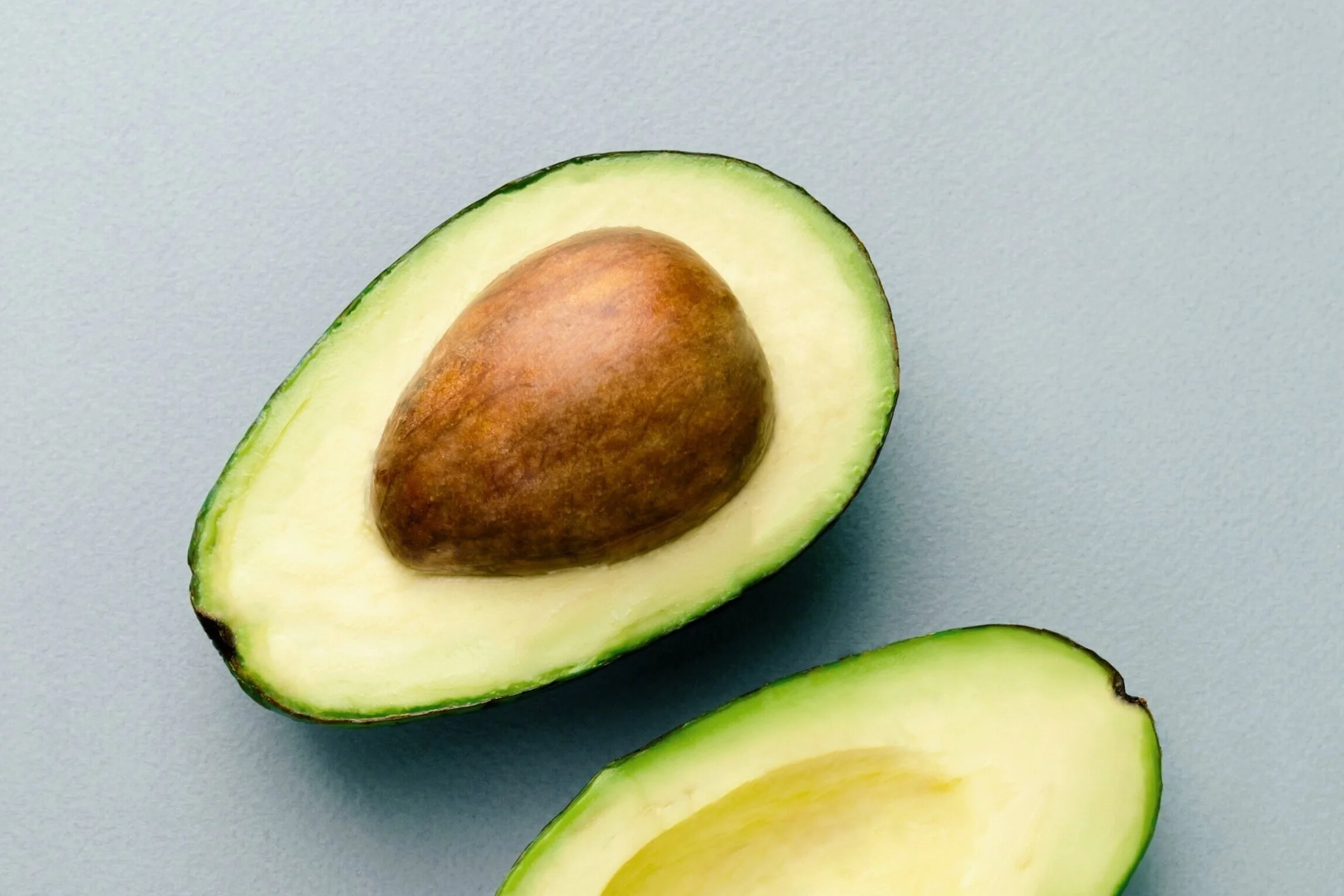
Avocados have the highest fat content of all known fruits and vegetables. The oil is very similar to olive oil in that both contain high levels of oleic acid, a very healthy monounsaturated omega-9 fat. Oleic acid has a beneficial effect on autoimmune and inflammatory diseases, plus the ability to facilitate wound healing. The smoke point of unrefined avocado oil is approximately 249C (480F), making it a great option for sautéing, frying or even homemade pesto and mayonnaises if you find using olive oil too strong in taste for these.
These Oils Are Best UNHEATED
—
Inca inchi oil
Macadamia nut oil
Hemp oil
Other cold-pressed nut and seed oils
Olive Oil
—
Contains oleocanthal and oleuropein, two anti-inflammatory and highly potent antioxidants. Oleocanthal is almost medicinal in its health effects. It has been shown in studies to clear the brain of dangerous amyloid plaques that are linked to Alzheimer’s, and it also causes the death of cancer cells. However, it’s important to treat olive oil with care because it's monounsaturated fat, it is less stable than the saturated cooking fats listed above. Oleocanthal is easily damaged when heated, so I only cook with it at low temperatures because it has a low smoke point and is susceptible to becoming rancid at high temperatures. Add it to salads, dressings or drizzle over cooked foods. Olive oil can also oxidise when exposed to light, so look for olive oil that comes bottled in dark glass. I recommend cold-pressed, organic and Australian varieties because there is no heat applied or chemicals used during the extraction process (and it’s always good to buy local).
Fats are such an important part of a healthy diet, and it’s time to officially change the narrative! Fat has been long deemed a ‘bad food’ and we now know this to be untrue. There are so many traditional fats that are found in nature that are actually beneficial and healthy for our bodies. With this choice of alternative fats/ oils, there is no need to consume unhealthy and harmful vegetable oils. Incorporating healthy fats into your diet can provide lifelong health benefits, and low-fat diets are simply not what they were marketed as in the past. Now that you’re equipped with a bit more information, I hope you can enjoy healthy fats without a worry in the world!
References
Gut and Psychology Syndrome by Dr. Natasha Campbell McBride
Put Your Heart In Your Mouth by Dr. Natasha Campbell McBride
Head Strong by Dave Asprey
https://www.westonaprice.org/health-topics/know-your-fats/interesterification/
http://www.cocoveda.net/blog/study-shows-heart-disease-absent-in-coconut-eating-population-2/
